
High Arches: The Ultimate Guide to Causes, Symptoms, and Definitive Treatment


Created & written by Bilt Labs:
Do you often suffer from chronic pain in the ball of your foot or recurring stress fractures? If your foot features a pronounced, visible arch that rarely flattens, you likely have High Arches, or Pes Cavus. This structural type is inherently rigid. Indeed, this rigidity drastically reduces the foot's ability to absorb shock effectively. Consequently, this comprehensive guide provides essential facts. It explains the core mechanical faults of a high-arched foot. Furthermore, it details how this rigidity leads to debilitating, focused pressure. Ultimately, you will understand why Custom Orthotics for High Arches (Read more about how custom orthotics treat High Arches) are the definitive medical solution for redistributing pressure and restoring crucial shock absorption. This expert analysis focuses on padding and stabilization. It goes far beyond standard cushioning.
Table of Contents
- 1. Anatomy of High Arch: The Problem of Structural Rigidity
- 2. Specific Symptoms: Forefoot, Heel, and Toes Issues
- 3. Specific Symptoms: Ankle Instability and Upper Chain Shock
- 4. How to Self-Diagnose and Measure Your Foot Profile
- 5. Comparing Treatment Options: Cushioning, Surgery, and Orthotics
- 6. Why Custom Orthotics are the Definitive Treatment
- 7. Verified User Experience
- 8. Conclusion and Ultimate Takeaway
- 9. Frequently Asked Questions About High Arches
1. Anatomy of High Arch: The Problem of Structural Rigidity
A high arch, or Pes Cavus, describes a foot where the arch is significantly raised. This results in minimal ground contact across the midfoot. This structural characteristic makes the foot inherently rigid. Furthermore, a high arch typically involves a more vertical heel bone (calcaneus) and a forward tilt of the metatarsal bones. This shifts disproportionate load to the heel and forefoot. Indeed, this static structure often prevents the foot from performing its essential shock-absorbing functions during walking or running.
The Mechanical Failure: Loss of Shock Absorption
The healthy foot requires flexibility. It needs to pronate slightly to disperse impact forces upon landing. However, a high-arched foot often lacks this necessary motion. This is the opposite of the collapsing arch seen in Flat Feet. Consequently, the force that should be absorbed by the midfoot structure is directly transmitted up the kinetic chain. This leads to bone fatigue. It also causes stress on the knee, hip, and lower back joints. The primary goal of treatment is to fill the arch void. This ensures weight spreads evenly across the entire sole.
Associated Motion Fault: Supination
The rigid structure of the high arch often leads to supination, or underpronation. This is the condition where the foot rolls outward excessively after striking the ground. This occurs because the arch cannot collapse inward to stabilize the foot. Therefore, the foot remains rigid, hitting the ground on the outer edge. This creates significant instability. Custom orthotics help stabilize the foot. They gently guide it toward a more neutral position. This reduces the risk of painful outward rolling.
2. Specific Symptoms: Forefoot, Heel, and Toes Issues
The concentrated pressure in the forefoot and heel causes distinct, painful symptoms. Recognizing this concentrated load pattern is crucial for successful treatment.
Forefoot Pain and Nerve Compression
The forward tilt of the metatarsals transfers an excessive amount of weight to the ball of the foot. This often causes burning pain and inflammation in the forefoot pad, known as Metatarsalgia. Furthermore, this abnormal pressure squeezes the nerves between the toes. This frequently results in Morton's Neuroma. Additionally, a high arch can also contribute to the development of Bunions due to forefoot instability and splaying upon impact. This condition involves thickening of the nerve tissue. A custom orthotic must include a metatarsal pad. This lifts and separates the forefoot bones. It relieves nerve compression.
Chronic Heel Pain and Ligament Strain
Despite the high arch, the ligament along the bottom of the foot, the plantar fascia, can still be under immense strain. The fascia pulls tight between the high arch and the heel attachment. This leads to symptoms almost identical to Plantar Fasciitis. Furthermore, the rigid impact on the heel bone can lead to general Heel Pain or bone contusions. Custom orthotics are required. They support the fascia from below. This reduces the tensile strain. This is achieved by lifting the arch closer to the ligament.
Claw Toes and Painful Calluses
The tight muscles and tendons characteristic of Pes Cavus often cause the toes to claw or hammer. This results in painful corns or calluses on the top of the toes. Additionally, calluses form quickly under the pressure points of the heel and the ball of the foot. Custom orthotics redistribute this pressure effectively. They provide a softer landing zone for these two concentrated points.
3. Specific Symptoms: Ankle Instability and Upper Chain Shock
The lack of dynamic shock absorption is the most dangerous consequence of a high arch. This rigidity sends powerful, damaging impact forces upward. Consequently, this leads to chronic issues beyond the foot itself.
Ankle Sprains and Lateral Instability
High-arched feet often strike the ground predominantly on the outside edge. This motion is called supination, or underpronation. This makes the foot and ankle highly unstable laterally. Therefore, high-arched individuals frequently suffer from recurring ankle sprains. Furthermore, this lateral instability results from the rigid foot failing to adapt to uneven terrain. A deep heel cup in the orthotic is crucial. It cradles the heel. This prevents the excessive outward roll associated with Supination.
Kinetic Chain Impact and Bone Fatigue
The impact is not cushioned. It travels directly through the tibia and femur. This constant jarring stresses the joint cartilage. Consequently, many high-arched individuals experience chronic knee pain, shin splints, or even recurring bone stress fractures. The rigid impact can also strain the calf and lead to Achilles Tendonitis. This is the opposite mechanism of joint wear seen in Overpronation (which involves rotation). Here, the issue is vertical impact force. Ultimately, effective treatment must introduce a shock-absorbing layer under the foot structure.
Expertise & Authority: The Podiatrist's View on Structural Rigidity
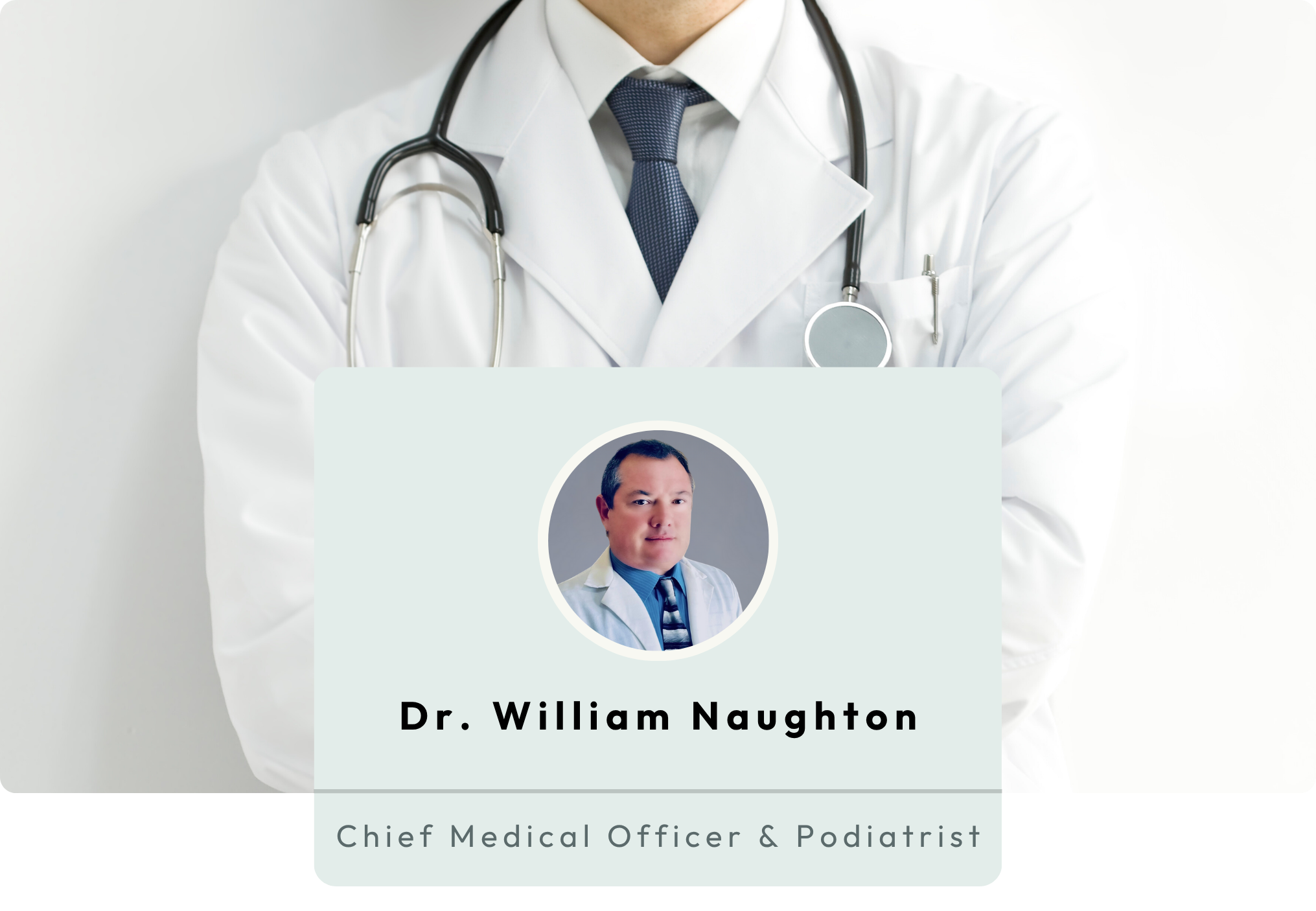
"The high-arched foot acts like a rigid rocker. It fails to distribute load or absorb shock. You must fill the gap in the arch to lift the weight off the forefoot and heel. This redistribution is the only way to alleviate the chronic pressure points that cause painful conditions like Morton's Neuroma and stress fractures."
— Dr. William Naughton, DPM, Board Certified Podiatrist
Insoles for High Arches: The Custom Difference.
When seeking insoles, recognize that generic products cannot match the severe arch profile. They often leave a large, unsupported void. Only a custom-molded orthotic captures the foot's precise structure. This ensures the device fills the arch gap perfectly. Consequently, this provides total contact support and superior cushioning where needed. This is the definitive difference for high arch relief.

Insoles for High Arches: The Custom Difference.
When searching for insoles to relieve pain from high arches, recognize that most soft foam products fail to fill the large void beneath the arch. Only a custom-molded insole captures the exact deep structural geometry of your foot. This ensures the device is perfectly contoured and fills the arch gap completely. It offers definitive pressure redistribution and superior shock absorption that generic off-the-shelf insoles cannot provide.
4. How to Self-Diagnose and Measure Your Foot Profile
Identifying High Arches is straightforward. However, understanding the severity of the arch height and the degree of rigidity is crucial for successful orthotic prescription.
The Visual and Wet Foot Test
Look at your foot while standing. If you see a large gap between the floor and the middle of your arch, you have a high arch. The Wet Foot Test is highly diagnostic. Wet the bottom of your foot. Step firmly onto a piece of paper or cardboard. A high-arched foot leaves an imprint that is thin or completely split between the forefoot and the heel. It looks like two separate prints. This visual gap confirms the lack of midfoot contact.
Measuring Foot Flexibility (The Crucial Test)
High arches can be flexible or rigid. You must determine the flexibility. Sit down and place your foot flat. Note the arch height. Next, stand up. If the arch height remains almost identical when you bear weight, your high arch is rigid. This rigidity means that shock forces are poorly distributed. Consequently, any orthotic must introduce extra cushioning and pressure relief. Rigid arch forms benefit most from Custom Orthotics made for high arches. They fill the void perfectly and cannot be compressed by the body's weight.
5. Comparing Treatment Options: Cushioning, Surgery, and Orthotics
Treatment for high arch centers on two goals: stability (preventing supination) and cushioning (distributing impact). Simple approaches often fail one of these goals.
Generic Insoles and Soft Cushioning
Retail insoles often emphasize cushioning. However, they are generically shaped. They are mass-produced to fit a standard shoe size. Consequently, they fail to adequately fill the large void beneath the high arch. This leaves the painful pressure points (heel and forefoot) unsupported. Soft foam or gel products quickly compress. They offer no long-term structural relief or stability against the outward roll. They treat the symptoms temporarily. They do not address the core rigidity or instability.
Specialized Footwear and Taping
Cushioned running shoes with a curved last provide some relief. They encourage a rolling motion. However, footwear alone cannot perfectly conform to the specific arch geometry. Taping is sometimes used to increase midfoot flexibility temporarily. This is often used by physiotherapists. Nevertheless, these methods are best used as adjuncts. They require combination with a custom device. Shoes cannot provide the precise arch fill and rearfoot cradling needed for true stability.
Surgery and Advanced Interventions
Surgical procedures, such as osteotomies (bone cuts), are rare. Doctors typically reserve them for severe, rigid deformities or progressive neurological issues. They aim to flatten the arch slightly or correct bone alignment. Surgery is irreversible and highly invasive. Therefore, the consensus favors conservative management. Custom-Molded Orthotics offer a non-invasive, highly effective way to manage the symptoms and prevent the progression of secondary injuries.
6. Why Custom Orthotics are the Definitive Treatment
The high arch requires a specific, dual-action solution: **arch filling** and **shock dispersion**. The Custom Orthotic is the only device that perfectly delivers both.
Precise Arch Filling and Pressure Redistribution
A custom device is manufactured from a non-weight-bearing mold. This process captures the deep arch void. Therefore, the finished orthotic physically fills this entire gap with supportive material. This action forces the foot to bear weight along the middle arch, eliminating the concentrated pressure points on the heel and forefoot. This vital redistribution alleviates pain from Morton's Neuroma and Metatarsalgia immediately. Furthermore, it restores the foot's entire surface as a functioning platform.
Superior Shock Management and Cushioning
Our custom orthotics use specialized materials. These are designed to absorb vertical impact forces. This acts as a secondary mechanism of shock absorption. It compensates for the foot’s natural rigidity. This cushioning reduces the chronic stress on the knee and lower back joints. Consequently, this helps prevent common overuse injuries like stress fractures. This feature is paramount for the high-arched foot.
Long-Term Stability Control
High arches need stability against supination. Custom Orthotics feature a deep heel cup and stabilizing contours. These cradle the heel securely. This minimizes the foot's tendency to roll outward excessively. This control reduces the risk of repeated ankle sprains. This continuous, specialized support ensures that the foot operates safely within its optimal range of motion.
Orthotics for High Arches: Your Medical Solution.
Our custom orthotics are medical devices precisely manufactured to address the structural rigidity and poor shock absorption typical of High Arches. By providing superior arch filling and specialized cushioning, we physically redistribute weight away from the painful heel and forefoot pressure points. This immediate off-loading eliminates the jarring impact, which stabilizes the foot laterally and prevents chronic conditions like stress fractures and metatarsalgia.
7. Verified User Experience
"My high arches always felt like they were bruising the balls of my feet. Running was impossible. Over-the-counter insoles felt lumpy and thin. My Bilt Labs custom orthotics provided a complete fill. They felt firm yet cushioned. The forefoot pain disappeared immediately. For the first time, my feet feel like they actually absorb impact."
— Jessica R., Verified Customer (Relieved of Forefoot Pain due to High Arches)
8. Conclusion and Ultimate Takeaway
The high arch is a structurally rigid foot type. This rigidity causes poor shock absorption. It results in painful pressure points on the forefoot and heel. This structural fault requires continuous, customized support. Our guide proves that soft cushioning or generic insoles cannot adequately fill the arch void or manage pressure. Consequently, a Custom Orthotic is the most effective long-term treatment. It provides the necessary arch filling and superior shock management. This stabilizes the entire foot against lateral instability. This is the definitive path to joint protection and pain relief.
9. Frequently Asked Questions About High Arches
Q: Does a high arch ever collapse like Flat Feet?
A: Generally, no. The structural forces and bone alignment of High Arches prevent the collapse seen in flat feet. The high arch is too rigid. The primary concern is not collapse, but rather the failure to flatten *enough* during gait to absorb shock, leading to pain and instability.
Q: Why does soft cushioning alone not relieve my high arch pain?
A: Soft cushioning placed in a generic shoe leaves a void beneath your high arch. This means only your heel and forefoot contact the cushion, not your arch. Consequently, the pressure remains concentrated. Only an orthotic that perfectly fills the arch gap and redistributes the load can truly provide relief.
Q: Do I need special shoes if I have High Arches?
A: You need neutral, cushioned shoes with plenty of space. Avoid motion control shoes, which are designed to stop the inward roll (the opposite of what your foot does). You must use your custom orthotics in a neutral shoe to provide the specific internal support and stability your arch requires.